

New Age Psychological Disorders
New Age Psychological Disorders are modern mental health conditions that arise from factors like constant digital use, social media, environmental stress,
and information overload.
They commonly lead to symptoms such as anxiety, depression, burnout, digital dependency, and social disconnection.
Overview
Understanding New Age Psychological Disorders
New Age Psychological Disorders refer to a range of emerging mental health conditions influenced by modern lifestyle, digital dependency, and evolving societal norms.
These conditions are deeply intertwined with the digital world, fast-paced living, information overload, and social isolation—unique stressors of the 21st century.
They manifest as conditions such as digital addiction, social media anxiety, Zoom fatigue, and eco-anxiety, reflecting how constant connectivity and fast-paced living are impacting emotional and psychological well-being.
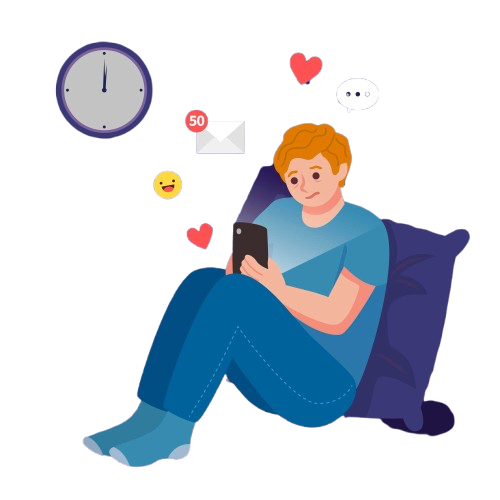
New Age Psychological Disorders stem from the pressures of modern digital life. These conditions are often fueled by constant connectivity, information overload, and social comparison.
There are several types of New Age Psychological Disorders:
- Digital Addiction: Compulsive use of smartphones, gaming, or the internet that interferes with daily responsibilities and relationships.
- Social Media Anxiety: Feelings of anxiety, low self-worth, or depression triggered by likes, comments, online comparisons, or cyberbullying.
- Nomophobia: Intense fear or discomfort when without a mobile phone or access to the internet.
- Eco-Anxiety: Chronic worry or helplessness about climate change and global environmental threats.
New Age Psychological Disorders are modern mental health conditions driven by digital overexposure, social pressures, and environmental concerns. These disorders are becoming increasingly common, especially among youth, and highlight the urgent need for awareness, digital balance, and mental health support in the modern world.
Quick Facts
- 80% of millennials feel anxious due to online activity.
- People check their phones about 96 times a day.
- Social media use is linked to higher depression and anxiety in youth.
- WHO recognizes gaming disorder as a real mental health condition.
Symptoms & Causes
Common Symptoms
Early Symptoms
- Mood swings after screen use
- Frequent phone checking
- Short attention span
- Less interest in offline activities
- Mild anxiety when offline
Advanced Symptoms
- Sleep problems and fatigue
- Burnout and low productivity
- Obsessive digital behavior
- Social withdrawal
- Anxiety or depression
Causes and Risk Factors
Type 1 Excessive Screen Time
In the moderate stage, excessive screen time typically involves 3 to 5 hours of non-essential daily use.
- Frequent phone or computer use
- Occasional mood swings
- Reduced outdoor activity
Type 2 Excessive Screen Time
As the behavior progresses, screen time often exceeds 5 hours per day and becomes compulsive. In the advanced stage, individuals may rely heavily on digital content for comfort or validation.
- Strong dependency on digital content
- Chronic sleep issues
- Social withdrawal
- Compulsive screen use
Risk Assessment
Excessive screen time
High risk factor
Social media pressure
Moderate risk factor
Lack of real-world social interaction
Moderate risk factor
Information overload
High risk factor
Diagnosis & Tests
Common Diagnostic Tests
| Test Name | Description | Normal Range | Indicates |
|---|---|---|---|
| DAS | Measures digital/internet addiction | 20-49 | Risk of digital dependency |
| GAD-7 | Assesses anxiety levels | 0-9 | Moderate to severe anxiety |
| Screen Tracker | Tracks average screen time | ≤2-3 hrs/day | Digital overuse/fatigue risk |
| PSQI | Tracks average screen time | ≤2-3 hrs/day | Digital overuse/fatigue risk |
Diagnostic Process
-
Initial Screening
Your doctor will review your medical history, risk factors, and symptoms.
-
Clinical Interview
A mental health professional assesses lifestyle, screen habits, and emotional health.
-
Behavioral Observation
Evaluation of sleep patterns, social behavior, and daily functioning.
-
Digital Usage Analysis
Monitoring screen time through apps or usage logs.
-
Final Diagnosis
Based on test scores, interviews, and behavioral data, a tailored diagnosis is made.
Additional Tests
Cognitive Function Tests
Assess memory, attention span, and problem-solving—often affected by digital overload.
Lifestyle and Sleep Assessment
Involves sleep tracking tools or diaries to detect insomnia or tech-related fatigue.
Stress Hormone (Cortisol) Testing
A medical test that may show chronic stress related to digital overexposure.
Important Note
New Age Psychological Disorders may not always show immediate or obvious symptoms. Early signs like digital fatigue, anxiety, and social withdrawal can be overlooked but may gradually affect mental well-being.