

Overview
Understanding Anxiety Disorder
Anxiety disorder involves persistent and overwhelming feelings of fear, worry, or unease that are difficult to control. While it's normal to feel anxious in stressful situations, anxiety disorders cause these feelings to become excessive, frequent, and out of proportion to actual threats.
Anxiety is a normal part of life, anxiety disorders involve intense and prolonged distress that may not match the actual situation. With proper treatment and support, most people can manage symptoms and improve their quality of life.
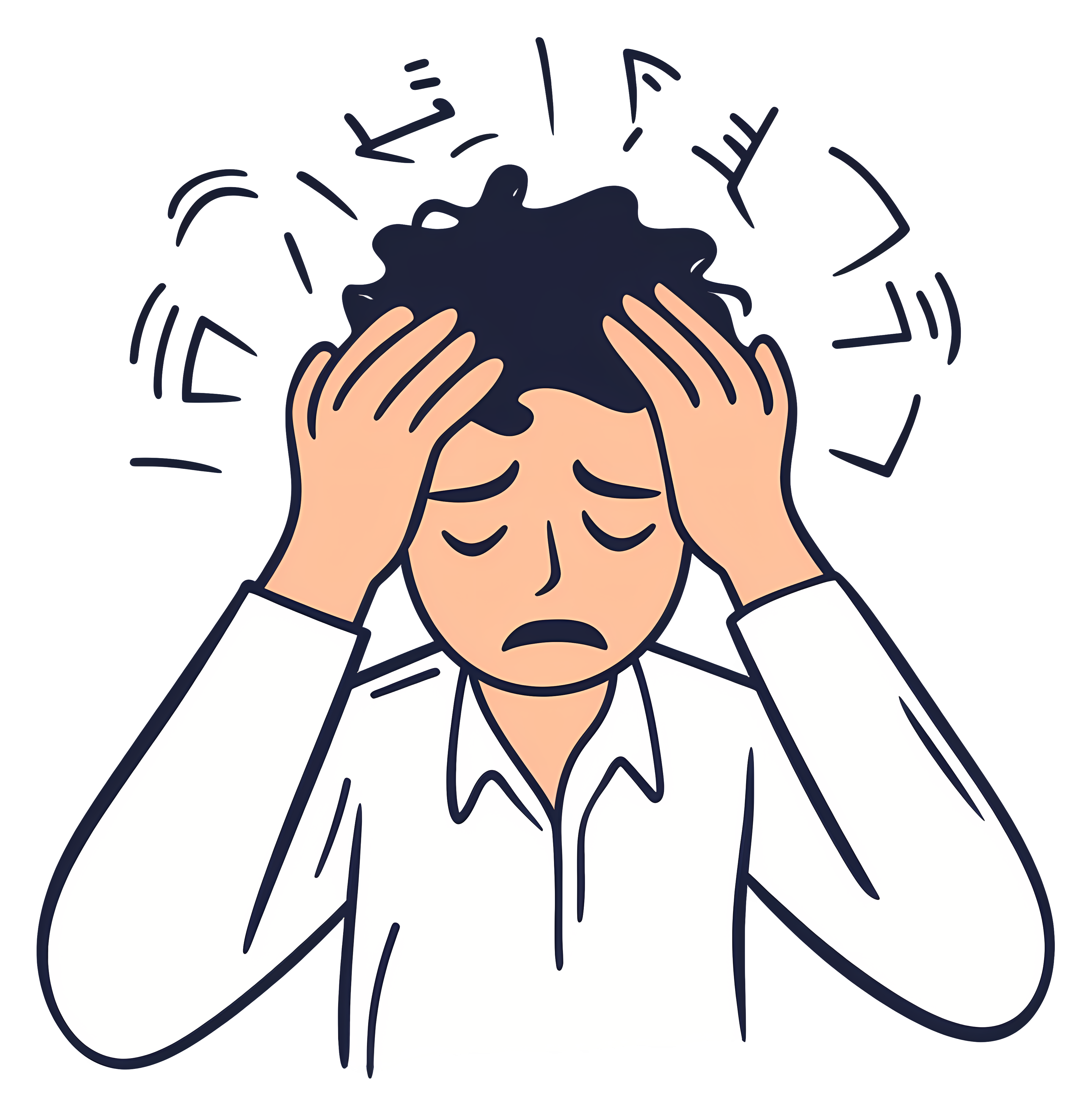
What are the different types of Anxiety Disorder?
Anxiety can appear in different forms, depending on what triggers the fear and how the body and mind respond. Each type affects daily life in unique ways and may require different approaches to treatment.
Here are two notable types:
- Generalized Anxiety Disorder (GAD): Involves constant, uncontrollable worry about everyday situations like work, health, or finances, even when there's little or no reason to worry.
- Panic Disorder: Characterized by sudden, intense episodes of fear known as panic attacks, which can include chest pain, dizziness, and a sense of losing control.
Generalized Anxiety Disorder
Generalized Anxiety Disorder (GAD) is marked by excessive, ongoing worry about a variety of everyday issues such as health, work, or family. The anxiety is often difficult to control and may be accompanied by physical symptoms like fatigue, muscle tension, or restlessness, even when there’s no clear reason for concern.
Panic Disorder
Panic Disorder involves sudden and unexpected panic attacks—intense episodes of fear that trigger physical reactions like a racing heart, chest pain, or shortness of breath. These attacks can happen without warning and often lead to a fear of future episodes, causing individuals to avoid certain places or situations.
Quick Facts
- Anxiety is the most common mental health disorder worldwide.
- It can affect people of all ages, including children.
- Stress doesn’t always cause anxiety, but it can trigger it.
- Anxiety is highly treatable with therapy, medication, or both.
- Anxiety can affect people of all ages, including children.
Symptoms & Causes
Common Symptoms
Early Symptoms
- Constant worry
- Restlessness
- Trouble sleeping
- Mild irritability
- Muscle tension
Advanced Symptoms
- Panic attacks
- Avoidance of social situations
- Severe insomnia
- Shortness of breath
- Difficulty concentrating
Causes and Risk Factors
Type 1 Stress Sensitivity
In this early stage, the person may react strongly to routine stress, but symptoms are generally manageable and not yet disruptive to daily life.
- Overthinking or excessive worry about common events
- Mild nervousness in unfamiliar situations
- Temporary sleep problems
Type 2 Stress Sensitivity
As sensitivity worsens and stress builds up over time, anxiety becomes more intense, frequent, and difficult to control. It can start interfering with relationships, work, and health.
- Recurring panic attacks
- Avoidance of daily tasks or social contact
- Constant physical symptoms like chest tightness or fatigue
Risk Assessment
Family history of anxiety
High risk factor
Chronic stress from work, school, or personal life
Moderate risk factor
Personality traits like perfectionism or low self-esteem
Moderate risk factor
History of trauma or early childhood adversity
High risk factor
Diagnosis & Tests
Common Diagnostic Tests
| Test Name | Purpose | Expected Result | Disorder Indicates |
|---|---|---|---|
| GAD-7 | Screens for generalized anxiety | Score > 10 = likely anxiety | Generalized Anxiety Disorder |
| Beck Anxiety Inventory | Measures overall anxiety severity | Score > 16 = moderate-high | Clinical Anxiety |
| Hamilton Anxiety Scale | Rates physical & mental symptoms | Higher score = severe level | Moderate to severe anxiety |
| Clinical Interview | In-depth symptom assessment | Symptoms match DSM criteria | Any anxiety-related disorder |
Diagnostic Process
-
Initial Consultation
The individual meets with a doctor or mental health professional to discuss symptoms and concerns.
-
Symptom Screening
Standard tools like the GAD-7 or Beck Anxiety Inventory are used to assess the severity of anxiety.
-
Clinical Interview
A detailed conversation explores the person's mental health history, triggers, and functional impact.
-
Rule Out Other Conditions
Medical or psychological tests are used to exclude other causes, such as thyroid issues or depression.
-
Diagnosis & Planning
Based on findings, a formal diagnosis is made, and a treatment plan is developed to manage the condition.
Additional Tests
State-Trait Anxiety Inventory (STAI)
Measures both temporary (state) and long-term (trait) levels of anxiety to understand its nature and intensity.
Zung Self-Rating Anxiety Scale
A quick self-assessment that evaluates the frequency of anxiety-related symptoms.
Penn State Worry Questionnaire (PSWQ)
Focuses on the tendency to worry excessively, especially useful for identifying generalized anxiety.
Important Note
Anxiety disorders can look different in each person, so accurate diagnosis requires both self-report tools and professional evaluation.