

Child & Adolescent Disorder
Child and adolescent disorders are emotional or behavioral problems seen in children and teenagers. These issues can affect how a child thinks, feels, and acts at home, in school, or with friends. Some children may feel very anxious, sad, or angry, while others may have trouble focusing or controlling their behavior. These problems can be managed well if noticed early and treated with care and support.
Overview
Understand Child and Adolescent Disorders
Child and adolescent disorders are mental and emotional health problems that affect children and teenagers. These problems may show up in how a child behaves, how they feel, how they think, and how they interact with others. Sometimes, children might act out, stay quiet all the time, get very angry, feel scared without reason, or have trouble in school or with friends.
These issues are more than just "growing up problems" or "bad behavior." They may be signs that the child is struggling with something deeper and needs help.
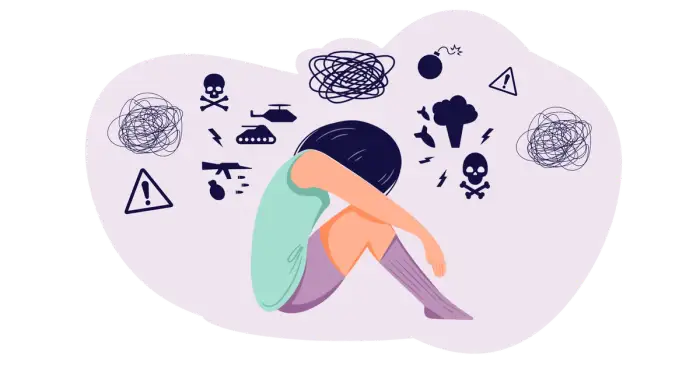
Childhood is the time when the brain and emotions are still developing. If a child faces emotional or mental health problems and does not get help, it can affect their studies, relationships, self-esteem, and future.Early support helps children learn better, feel better, and grow into healthy and confident adults.
Some common disorders that affect children and adolescents include:
- Autism Spectrum Disorder: trouble with communication and behavior.
- Learning Disorders:difficulty in reading, writing, or understanding.
- ADHD:trouble focusing, very active, impulsive.
- Eating Disorders: fear of gaining weight, refusing to eat.
- Conduct Disorders: aggressive or harmful behavior.
When a child has a mental health disorder, it can affect many areas of life like Home, School, Friendships, Emotions, Sleep & Eating.
Quick Facts
- 1 out of every 7 children may face mental health challenges.
- Problems can begin as early as 3 years of age.
- Common conditions include anxiety, depression, ADHD, and behavior problems.
- Getting help early leads to better results.
- A safe and supportive home plays a big role in healing.
Symptoms & Causes
Common Symptoms
Early Symptoms
- Finds it hard to focus or stay attentive
- Gets scared, nervous, or sad often
- Sleeps too much or too little
- Doesn’t enjoy playing or meeting friends
- Struggles in studies
Advanced Symptoms
- Talks about hurting themselves
- Gets into fights or breaks things
- Says they see or hear strange things
- Stops going to school completely
- Mood changes suddenly – from very happy to very sad
Causes and Risk Factors
Some common risk and factors include:
- Family history: If parents or close relatives had similar issues
- Stressful life events: Like bullying, family fights, losing a loved one
- Problems during birth or pregnancy: Like infections or substance use
- Chronic health problems: Like epilepsy or long-term illnesses
- Neglect or abuse: Not getting proper care, love, or protection
Risk Assessment
Obesity
High risk factor
Family History
Moderate risk factor
Age (from 3)
Moderate risk factor
Physical Inactivity
High risk factor
Diagnosis & Tests
Common Diagnostic Tests
| Test Name | Purpose | Expected Result | Disorder Indicates |
|---|---|---|---|
| CBCL (Child Behavior Checklist) | Identify emotional & behavioral problems | T-scores < 60 | Behavioral or emotional disorder |
| Conners Rating Scale | Assess ADHD symptoms | Low scores on inattention scale | ADHD or related disorder |
| WISC-V (IQ Test) | Evaluate intellectual ability | IQ within average range (90–110) | Learning or cognitive disorders |
| ADOS-2 | Diagnose autism spectrum traits | Age-appropriate social response | Autism Spectrum Disorder (ASD) |
Diagnostic Process
-
Initial Observation
Parents, teachers, or caregivers notice unusual behaviors, delays, or emotional challenges in the child.
-
Pediatric Evaluation
A pediatrician conducts a basic health and developmental screening to rule out physical causes.
-
Referral to Specialist
If concerns persist, the child is referred to a psychologist, psychiatrist, or developmental specialist.
-
Standardized Testing
The specialist uses diagnostic tools (e.g., CBCL, Conners, WISC) to assess behavior, cognition, or emotional health.
-
Diagnosis and Plan
Tests to check for diabetes-related complications may be recommended.
Additional Tests
BASC-3 (Behavior Assessment System for Children)
A comprehensive questionnaire that assesses personality traits and detects various psychological conditions, including personality disorder
CARS (Childhood Autism Rating Scale)
Helps identify the severity of autism symptoms based on direct observation.
NEPSY-II
Assesses neuropsychological development, including attention, memory, and language skills.
Important Note
Early identification and intervention are crucial. Timely support can significantly improve a child's development, behavior, and long-term outcomes.