

Overview
Understanding Addiction & Substance Use Disorder
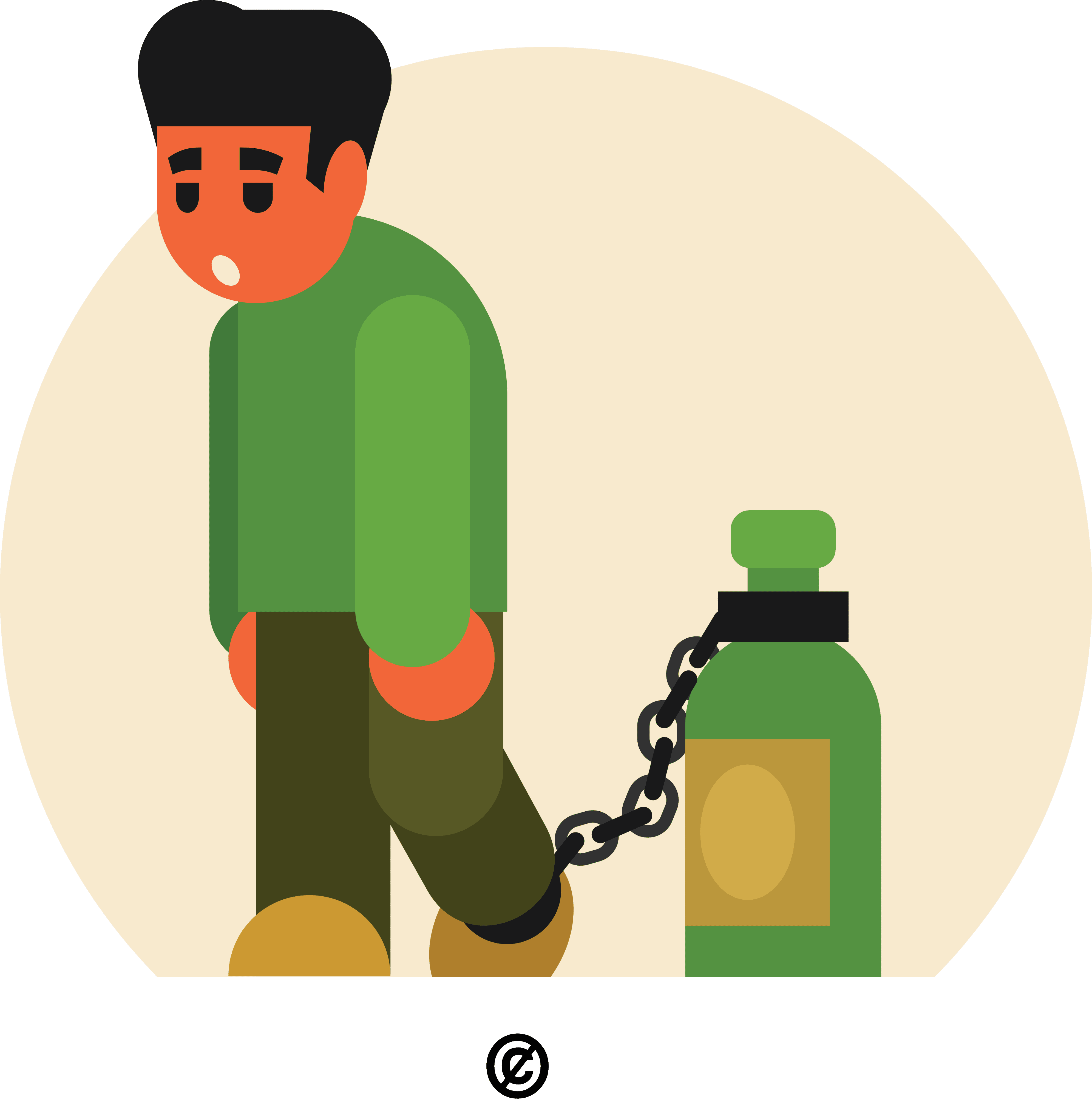
Addiction & Substance Use Disorder is a medical condition characterized by an uncontrollable urge to use substances such as alcohol, drugs, or prescription medications. It alters brain chemistry, particularly the reward and decision-making systems, leading to repeated use despite negative consequences.
Over time, addiction can severely impact a person’s physical health, emotional well-being, and social life. It may lead to job loss, damaged relationships, or legal issues.
What are the different types of Addiction & Substance Use Disorder?
Addiction and Substance Use Disorder can involve a range of substances, each affecting the brain and body differently. While the core pattern of compulsive use and loss of control is similar, the type of substance used often determines the specific symptoms and risks associated with the disorder.
Here are two notable types:
- Alcohol Use Disorder (AUD): Involves frequent, excessive alcohol consumption that leads to dependence, withdrawal symptoms, and difficulty controlling drinking habits.
- Opioid Use Disorder (OUD): Centers on the misuse of prescription painkillers or illegal opioids like heroin, often leading to strong cravings, tolerance, and serious health risks including overdose.
Alcohol Use Disorder (AUD)
Alcohol Use Disorder (AUD) is a condition marked by the inability to control or stop alcohol consumption despite negative impacts on health, relationships, or responsibilities. It may involve frequent drinking, increased tolerance, and withdrawal symptoms when not drinking, often interfering with daily life and decision-making.
Opioid Use Disorder (OUD)
Opioid Use Disorder (OUD) involves the compulsive use of opioids such as prescription painkillers or heroin, leading to physical dependence, intense cravings, and a high risk of overdose. Over time, the body builds tolerance, requiring larger doses to feel the same effect, making it a dangerous and challenging condition to manage without treatment.
Quick Facts
- Addiction is a medical condition, not a moral weakness.
- It can affect the brain’s reward, memory, and control systems.
- Withdrawal symptoms can occur when stopping substance use.
- Both legal and illegal substances can lead to addiction.
- Early treatment improves chances of long-term recovery.
Symptoms & Causes
Common Symptoms
Early Symptoms
- Increased use of substance over time
- Strong urges or cravings
- Using to cope with stress or emotions
- Neglecting responsibilities occasionally
- Hiding or lying about use
Advanced Symptoms
- Loss of control over usage
- Physical withdrawal symptoms
- Continued use despite harm
- Major work or relationship problems
- Risk-taking behaviors
Causes and Risk Factors
Type 1 Reward System Disruption
In this early stage, substance use begins casually or socially, but the person starts to rely on it more frequently for relief or pleasure.
- Regular use to relax or feel good
- Cravings begin to form
- Occasional neglect of tasks or relationships
Type 2 Stress Sensitivity
The person becomes physically or psychologically dependent, with serious impacts on health, behavior, and judgment.
- Daily or compulsive use
- Strong withdrawal symptoms when stopping
- Use continues despite harm
Risk Assessment
Family history of addiction or mental illness
High risk factor
Early exposure to substance use or peer pressure
Moderate risk factor
Ongoing stress, trauma, or untreated emotional issues
Moderate risk factor
Using substances at a young age or for emotional escape
High risk factor
Diagnosis & Tests
Common Diagnostic Tests
| Test Name | Purpose | Expected Result | Disorder Indicates |
|---|---|---|---|
| AUDIT | Screens for alcohol use problems | Score > 8 = risky use | Alcohol Use Disorder (AUD) |
| DAST-10 | Assesses drug use severity | Score > 16 = substantial risk | Drug Use Disorder |
| CAGE Questionnaire | Quick check for alcohol dependence | 2+ "Yes" answers | Possible Substance Dependence |
| Urine Toxicology Screen | Detects recent substance use | Positive for substances | Confirms active substance use |
Diagnostic Process
-
Initial Screening
Quick questionnaires (like AUDIT or DAST) help identify potential substance use issues.
-
Clinical Interview
A mental health professional gathers detailed information about substance use history, behavior, and impact.
-
Medical Evaluation
Checks for physical health issues related to substance use, including blood or urine tests.
-
Psychological Assessment
Evaluates mental health conditions that may co-occur with addiction, such as anxiety or depression.
-
Diagnosis & Planning
A formal diagnosis is made based on criteria (e.g., DSM-5), followed by a tailored treatment plan.
Additional Tests
ASSIST (Alcohol, Smoking and Substance Involvement Screening Test)
Developed by WHO, this tool screens for use of various substances and assesses the risk level for each.
ASI (Addiction Severity Index)
A structured interview that evaluates the impact of substance use on multiple life areas like health, employment, and relationships.
Timeline Followback (TLFB)
A self-report method where individuals recall their substance use over a specific time period to assess patterns and frequency.
Important Note
Addiction is a treatable medical condition, not a personal failure. Early and accurate diagnosis is key to effective recovery, and seeking help is a sign of strength—not weakness.